
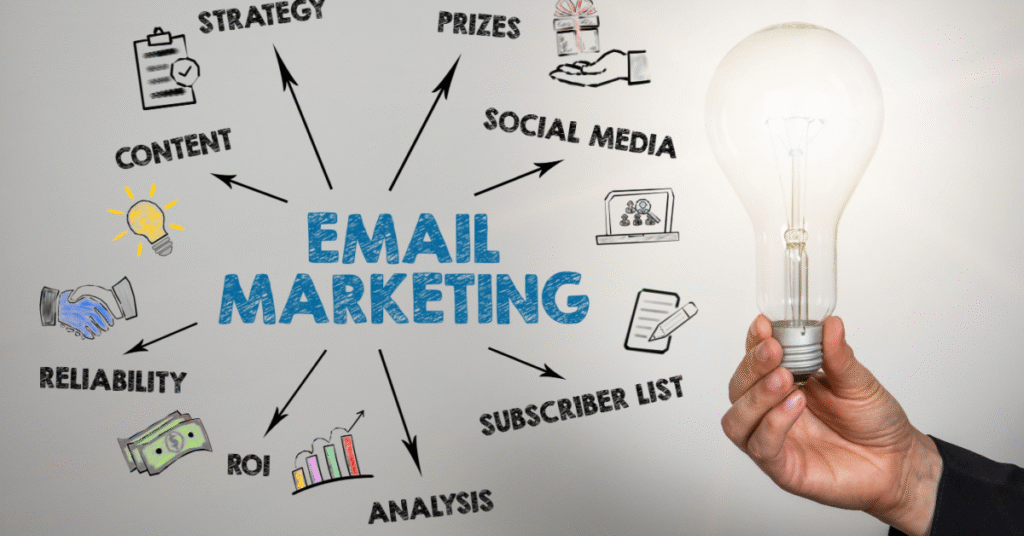
Email marketing remains one of the most powerful digital strategies for building relationships, increasing brand loyalty, and driving consistent revenue. Despite the rise of social media and instant messaging platforms, email continues deliver unmatched ROI, control, and personalization for businesses of all sizes.
In this comprehensive guide, you will learn what email marketing is, why it still works, how to build a high-quality email list, and the best practices to create campaigns that convert. Whether you are a beginner or looking to refine your strategy, this blog will help you unlock the true potential of email marketing.
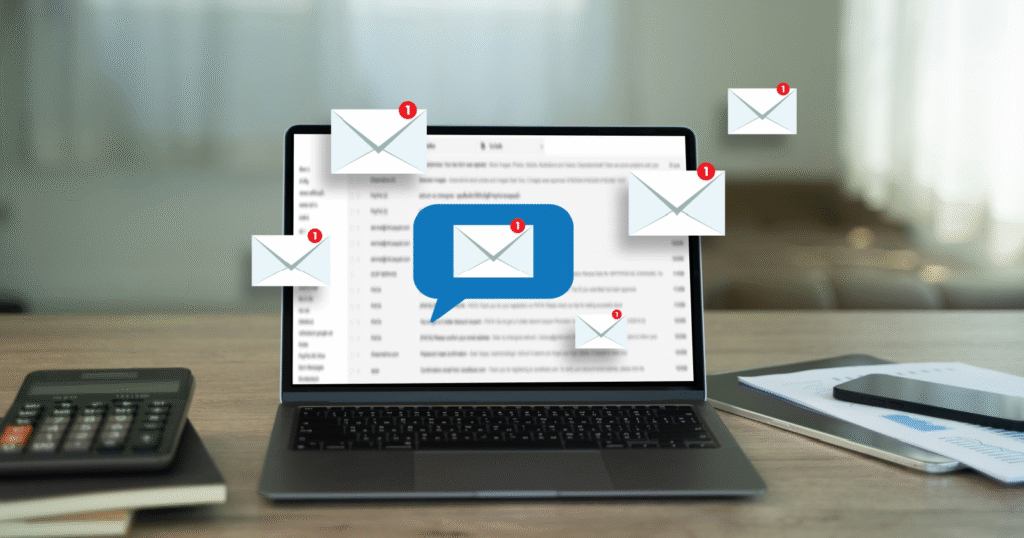
What Is Email Marketing?
Email marketing is a digital strategy focused on delivering personalized messages to a list of subscribers through email. These communications may include newsletters, special promotions, product announcements, educational insights, and automated series designed to engage, convert, and retain customers.
Unlike social media platforms, where algorithms control visibility, email allows you to communicate directly with your audience. This direct access makes email one of the most reliable and cost-effective marketing channels available today.
Why Email Marketing Still Works
Many businesses asked whether email is still relevant. The answer is a strong yes. Here’s why:
- High ROI: Email consistently delivers one of the highest returns on investment among digital channels.
- Direct communication: You own your email list and are not dependent on platform changes.
- Personalization: Emails can be customized based on user behavior, preferences, and purchase history.
- Automation: Campaigns can run on autopilot while still feeling personal.
- Measurable results: Open rates, click-through rates, and conversions are easy to track.
These benefits make email marketing a long-term asset rather than a short-term tactic.
Types of Email Marketing Campaigns
Understanding the various types of campaigns enables you to select the most suitable approach for achieving your goals.
1. Welcome Emails
Sent when a user subscribes, welcome emails create a strong first impression and set expectations.
2. Newsletter Emails
These keep your audience informed with updates, tips, blog posts, or brand news.
3. Promotional Emails
Designed to drive sales, these include discounts, product launches, and limited-time offers.
4. Automated Drip Campaigns
A sequence of emails sent based on timing or user actions, perfect for lead nurturing.
5. Transactional Emails
Order confirmations, receipts, and shipping updates that also reinforce trust.
How to Build a High-Quality Email List
The success of your campaigns depends heavily on your subscriber list. Quality matters more than quantity.
- Use opt-in forms on your website and landing pages
- Offer lead magnets like discounts, ebooks, or free resources
- Promote your email list on social media and blogs
- Collect emails during checkout or account creation
- Never buy email lists, as they harm deliverability and trust
A permission-based list ensures better engagement and long-term results.
Best Practices for Successful Email Campaigns
To make your campaigns effective, follow these proven best practices:
Write Compelling Subject Lines
Your subject line determines whether the email is opened. Keep it clear, concise, and curiosity-driven.
Focus on Value
Every email should provide value, whether it’s education, entertainment, or a solution to a problem.
Optimize for Mobile
Most users read emails on mobile devices, so responsive design is essential.
Use Clear Call-to-Actions
Tell readers exactly what to do next, such as “Shop Now,” “Read More,” or “Join Today.”
Test and Improve
A/B test subject lines, content, and send times to improve performance continuously.
Applying these practices will significantly improve your email marketing results.
Email Marketing Automation Explained
Automation allows you to send the right message at the right time without manual effort. Examples include:
- Welcome sequences for new subscribers
- Abandoned cart reminders
- Birthday or anniversary emails
- Re-engagement campaigns for inactive users
Automation saves time, increases consistency, and boosts conversions by delivering timely, relevant content.
Common Email Marketing Mistakes to Avoid
Even experienced marketers make mistakes. Avoid these common pitfalls:
- Sending too many emails
- Ignoring segmentation
- Using misleading subject lines
- Not cleaning inactive subscribers
- Failing to track performance metrics
Avoiding these errors helps maintain trust and improve long-term engagement.
The Future of Email Marketing
As privacy rules tighten and cookies become less prevalent, email will become even more valuable. Trends shaping the future include:
- Advanced personalization using AI
- Interactive emails with polls and carousels
- Stronger focus on consent and transparency
- Deeper integration with e-commerce and CRM tools
Businesses that invest early in smart email marketing strategies will gain a competitive advantage.
Conclusion
Email marketing is not outdated, crowded, or ineffective. When done correctly, it is one of the most reliable ways to build relationships, nurture leads, and generate consistent revenue. By focusing on value, personalization, automation, and ethical list-building, you can turn email into a powerful growth engine for your business.
FAQs
What is email marketing used for?
Email marketing is used to communicate with subscribers, promote products or services, nurture leads, and build long-term customer relationships.
How often should I send marketing emails?
The ideal frequency depends on your audience, but most businesses see good results with one to two emails per week.
Is email marketing suitable for small businesses?
Yes, email marketing is highly cost-effective and works well for small businesses with limited budgets.
What tools are best for email marketing?
Popular tools include Mailchimp, Klaviyo, ConvertKit, HubSpot, and Brevo, depending on your business needs.
How do I measure email marketing success?
Key metrics include open rate, click-through rate, conversion rate, unsubscribe rate, and overall ROI.
If you want, I can also optimize this blog for SEO, add internal linking, or rewrite it for your website tone.