
In the competitive digital marketing landscape, businesses need fast and measurable results. Pay-Per-Click (PPC) advertising is one of the most effective online marketing strategies for driving targeted traffic, generating leads, and increasing sales quickly. Unlike organic methods that take months, Pay Per Click delivers immediate visibility on search engines and social media platforms.
This guide explains what Pay Per Click is, how it works, its benefits, best practices, and why it is essential for modern businesses.
What Is Pay Per Click?
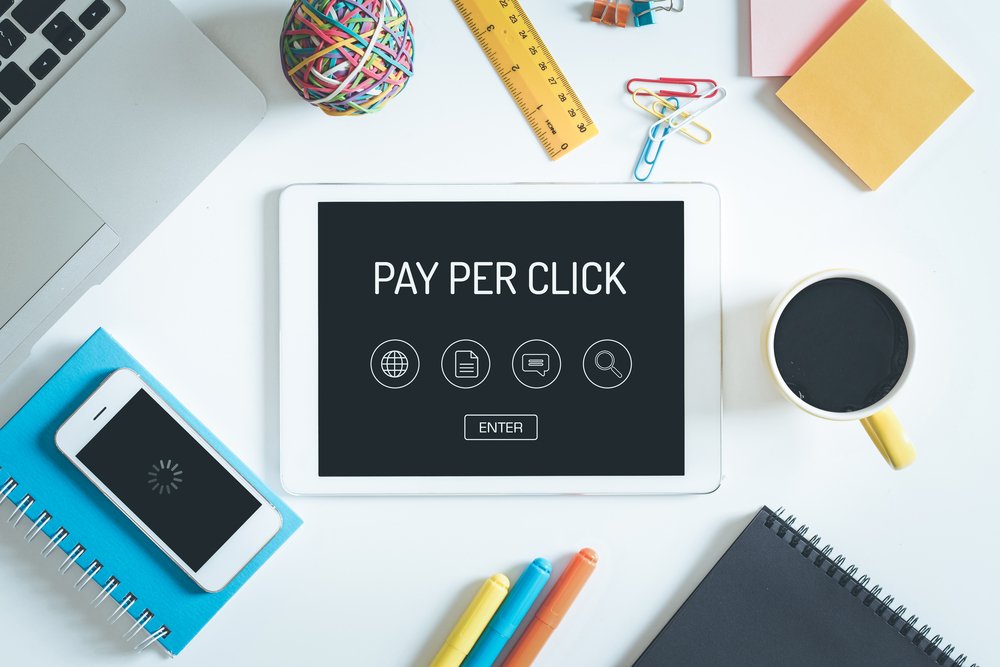
Pay-Per-Click is a digital advertising method in which advertisers are charged only when a user clicks their ad. Instead of earning traffic organically, businesses buy visits to their website through paid ads. PPC ads commonly appear on search engines like Google and Bing, as well as social media platforms such as Facebook, Instagram, and LinkedIn.
The most popular form of Pay-per-Click advertising is Google Ads, where businesses bid on keywords relevant to their products or services.
Why Pay-Per-Click Is Important
Pay-Per-Click plays a crucial role in digital marketing strategies because of its speed and precision.
1. Instant Visibility
Unlike SEO, which takes time, Pay Per Click ads appear at the top of search results immediately after launch.
2. Highly Targeted Advertising
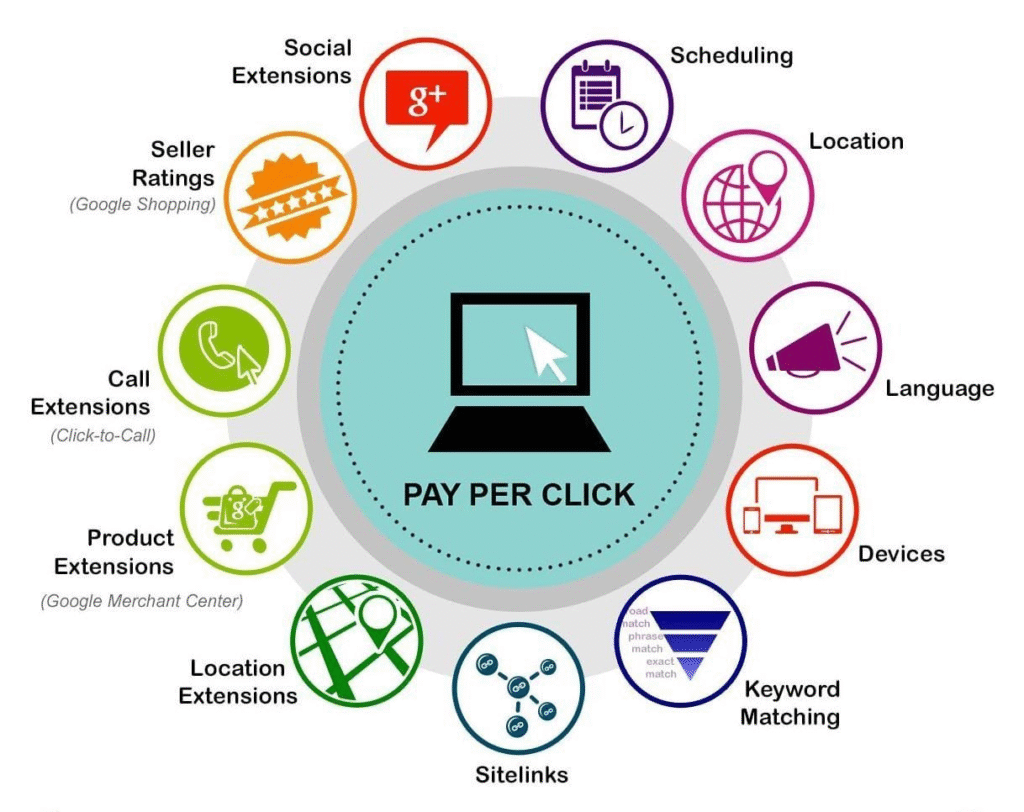
Pay-Per-Click allows targeting based on keywords, location, device, age, interests, and behavior, ensuring ads reach the right audience.
3. Measurable Results
With PPC, every click, impression, and conversion can be tracked, making performance analysis simple and accurate.
4. Budget Control
Advertisers can set daily or monthly budgets, making Pay Per Click suitable for both small businesses and large enterprises.
How Pay-Per-Click Works
The Pay Per Click model is based on an auction system. When users search for those keywords, search engines determine which ads appear based on factors such as bid amount, ad quality, and relevance.
Key elements of Pay Per Click include:
- Keyword bidding
- Ad relevance
- Quality Score
- Landing page experience
The better your ad quality, the lower your cost per click and the higher your ad position.
Types of Pay-Per-Click Advertising
1. Search Ads
These are text ads that appear at the top of search engine results pages when users search for specific keywords.
2. Display Ads
Display Pay Per Click ads appear on websites, apps, and videos across ad networks in the form of banners or images.
3. Social Media Ads
Platforms like Facebook, Instagram, and LinkedIn offer Pay-Per-Click advertising based on user interests and demographics.
4. Shopping Ads
E-commerce businesses use Pay-Per-Click shopping ads to display products with prices and images directly in search results.
5. Remarketing Ads
Remarketing Pay-Per-Click ads target users who have previously visited your website, increasing conversion chances.
Keyword Research for Pay-Per-Click
Choosing the right keywords ensures your ads appear to users who are ready to take action.
Best PPC Keyword Practices:
- Use high-intent keywords
- Include long-tail keywords
- Avoid irrelevant keywords using negative keywords
- Analyze competition and cost per click
Effective keyword selection improves click-through rates and reduces wasted ad spend.
Creating High-Converting Pay-Per-Click Ads
To succeed with Pay Per Click, ads must be compelling and relevant.
Tips for Better PPC Ads:
- Write clear and persuasive ad copy
- Include strong calls-to-action
- Match ad text with landing page content
- Test multiple ad variations
Optimized ads improve Quality Score and reduce cost per click.
Landing Pages and Pay-Per-Click Success
A well-designed landing page is essential for Pay-Per-Click performance. Even the best ads will fail if users land on poorly optimized pages.
Landing Page Optimization Tips:
- Clear headline matching the ad
- Fast loading speed
- Mobile-friendly design
- Simple forms and strong CTAs
Better landing pages increase conversion rates and maximize Pay Per Click ROI.
Pay Per Click vs SEO
While both strategies aim to drive traffic, they work differently.
| Immediate results | Long-term growth |
| Paid traffic | Organic traffic |
| Full budget control | No cost per click |
| Best for promotions | Best for authority |
Combining SEO and Pay-Per-Click often delivers the best digital marketing results.
Benefits of Professional Pay-Per-Click Management
Hiring PPC experts ensures optimal performance and budget efficiency.
Advantages:
- Advanced campaign optimization
- Continuous monitoring and testing
- Lower cost per click
- Higher conversion rates
Professional Pay-Per-Click management helps businesses scale faster.
Common Pay-Per-Click Mistakes to Avoid
- Targeting broad keywords
- Ignoring negative keywords
- Poor landing page experience
- Not tracking conversions
- Setting and forgetting campaigns
Avoiding these mistakes improves Pay Per Click campaign success.
The Future of Pay-Per-Click Advertising
Pay-Per-Click continues to evolve with automation and AI.
Emerging PPC Trends:
- Smart bidding strategies
- AI-generated ads
- Voice search advertising
- Cross-platform campaigns
Staying updated helps businesses maintain a competitive edge in Pay-Per-Click marketing.
Final Thought
Pay-Per-Click is a powerful digital marketing strategy for businesses that want fast, targeted, and measurable results. When planned and managed correctly, Pay Per Click can deliver immediate visibility, qualified leads, and strong returns on investment. By combining smart keyword targeting, compelling ad copy, optimized landing pages, and continuous performance tracking, businesses can maximize the full potential of Pay Per Click advertising. Whether you’re launching a new product or scaling an existing brand, Pay Per Click remains one of the most effective tools for driving growth in today’s competitive online market.
Frequently Asked Questions (FAQs)
1. What is Pay-Per-Click advertising?
Pay-Per-Click is an advertising model where advertisers pay each time a user clicks on their ad.
2. How much does Pay Per Click cost?
Pay-per-click costs vary based on keywords, competition, and industry. Budgets can be adjusted to fit any business size.
3. Is Pay-Per-Click better than SEO?
Pay-Per-Click offers immediate results, while SEO provides long-term growth. Both work best when combined.
4. Which platforms support Pay Per Click?
Google Ads, Bing Ads, Facebook, Instagram, LinkedIn, and YouTube all support Pay-Per-Click advertising.
5. How quickly does Pay Per Click work?
Pay-Per-Click campaigns can generate traffic and leads within hours of launch.
6. Can small businesses use Pay-Per-Click?
Yes, Pay Per Click allows flexible budgeting, making it suitable for small and large businesses alike.
7. What is Quality Score in Pay-Per-Click?
Quality Score measures ad relevance, keyword match, and landing page experience, impacting cost and ranking.
8. Is Pay Per Click worth the investment?
When managed correctly, Pay-Per-Click delivers high ROI by driving targeted traffic and measurable conversions.